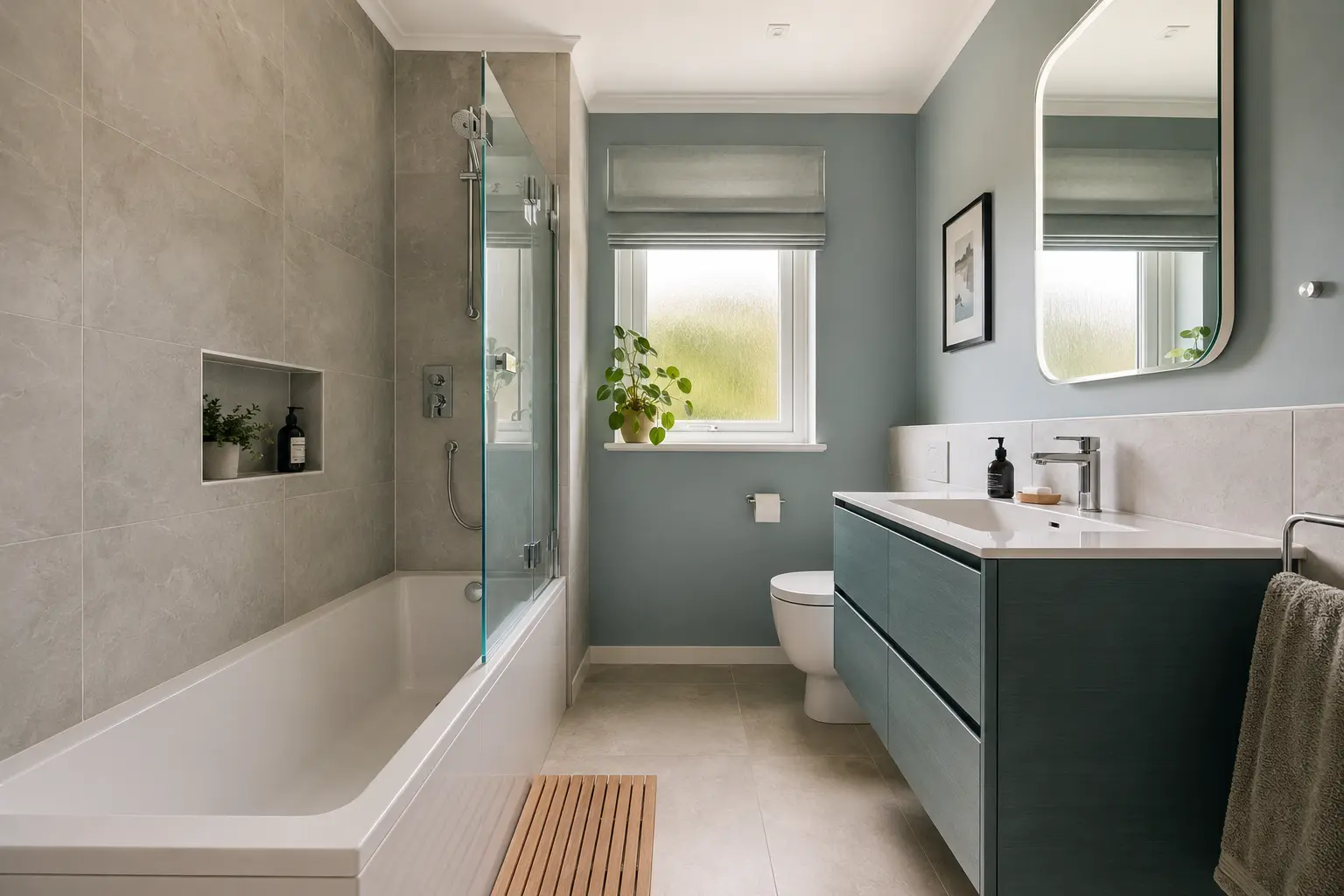
Use gentle cleaning products
Wipe panels with a soft cloth and a mild product approved by the manufacturer. Abrasive pads or strong chemicals can dull or mark the finish.
Rinse away cleaner residue and dry the surface if water marks are common. Always test an unfamiliar product in a hidden area first.
To discuss changes to your own bathroom, read about new wet wall bathrooms in Cumbernauld.
Pay attention to joints and sealant
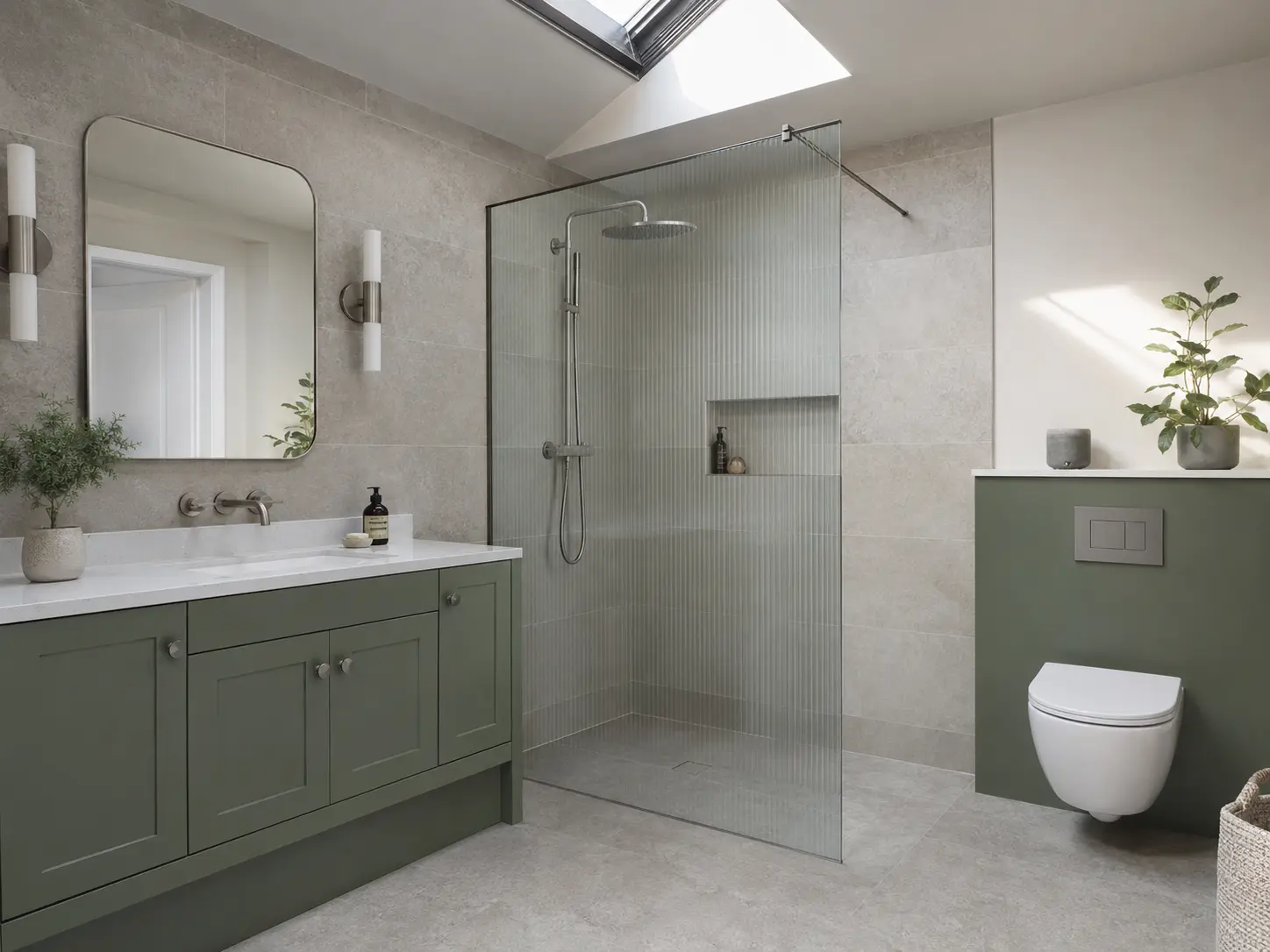
Inspect internal corners, tray edges, bath edges and trim joints. Report gaps, movement or damaged sealant before water reaches the wall or floor underneath.
Do not simply apply new sealant over dirty or failed material. Correct renewal requires the old seal to be removed and the surfaces prepared properly.
- Check corners
- Check tray and bath edges
- Check where pipes pass through panels
- Act on loose trims or open joints
Discuss Your Bathroom Plans
Tell us your postcode and what you want to change.
Call 07700 175069 Send an enquiry →Improve drying after use
Run the extractor and remove heavy water from shower panels after bathing. A simple squeegee reduces water marks and helps joints dry.
Avoid leaving wet towels pressed against the wall. Air movement protects panel joints as well as paint, ceilings and nearby furniture.
Keep the product information
Record the manufacturer, range and finish when the bathroom is installed. This helps identify suitable cleaning advice and matching components later.
If a panel is damaged, ask an experienced installer to assess the repair. Drilling, cutting or replacing a panel can affect the waterproof seals around it.
Set up a simple cleaning routine
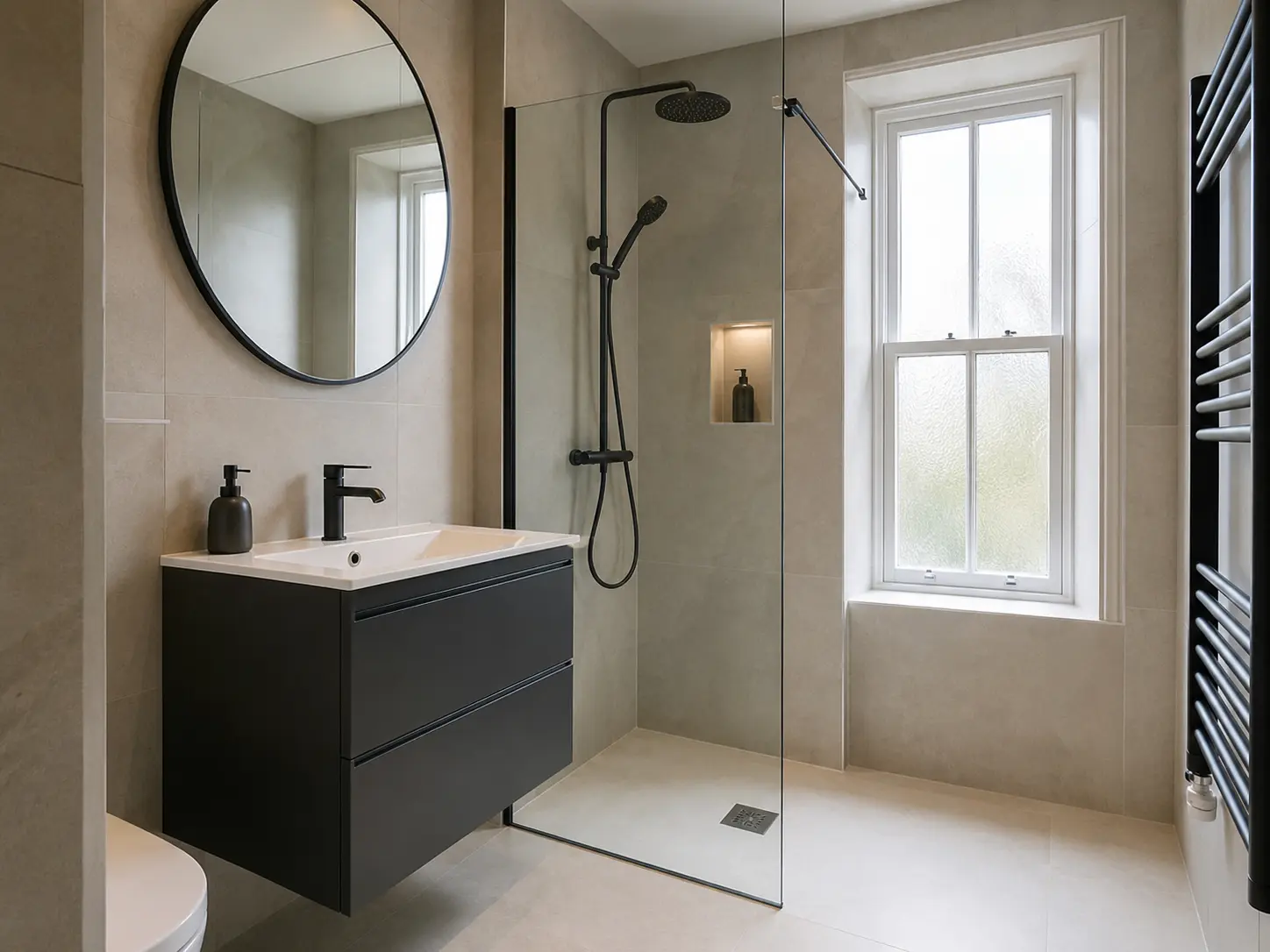
Keep a soft cloth or suitable squeegee close to the shower so heavy water is easy to remove after use. Clean soap residue before it becomes a thicker build-up. The right frequency depends on use and the product, so follow the panel manufacturer’s guidance rather than a fixed rule for every bathroom.
Pay attention to the lower part of the wall, where shampoo and soap often collect. Rinse away cleaning residue as instructed and avoid leaving bottles pressed against a joint. A tidy shelf can make both the panel and tray easier to wipe without moving a line of products from the floor each time.
Check the complete shower edge
Look along the joint where the panel meets the tray or bath, around corners and beside trims. You are checking for visible gaps, lifting edges or movement, not trying to pull the joint apart. If something has changed, photograph it and ask the installer or supplier what should happen next.
Be careful around pipe openings and any fitted shelf. Water can reach awkward places even when most of the panel looks dry. Do not drill, cut or add fixings without checking the correct method for the panel system and the support behind it. A new accessory should not damage the wall’s protection against water.
Avoid cleaners chosen only by their strength
A product advertised for difficult bathroom marks may not be suitable for your particular panel finish. Abrasives, solvents or strong chemicals can affect surfaces and trims. Check the exact care sheet and the cleaner’s label before use. If the instructions are unclear, ask the manufacturer with the panel name and finish code.
Do not scrape stubborn marks with a blade or rough pad. Tell the supplier what the mark is likely to be and what you have already used. This can help them suggest a suitable method without causing further damage. Keep photographs of an unfamiliar mark before trying to remove it.
Keep a small record for future repairs
Save the panel brand, range, colour, trim details and the date it was fitted. Keep care instructions with the bathroom quote so another member of the household can find them. If you have spare material, store it as the manufacturer recommends and label it clearly.
If a panel or trim is damaged, explain its position as well as its appearance when requesting help. A corner beside a shower tray may need a different repair from a dry wall away from water. Ask how the repair will restore the joint and seal, not simply hide the visible mark.
When the repair is complete, ask when the shower can be used again and whether any cleaning restrictions apply while materials cure. Follow the instructions for the repair products. Returning to use too soon can undo work that looks finished from the outside.
Avoid hanging heavy baskets or accessories from a panel unless the product and fixing method are suitable. A suction fitting can also leave marks or come loose, depending on the surface. Ask before adding storage that changes how weight or water reaches the wall. Where possible, plan a properly supported shelf during installation so you do not need to improvise around a finished shower.